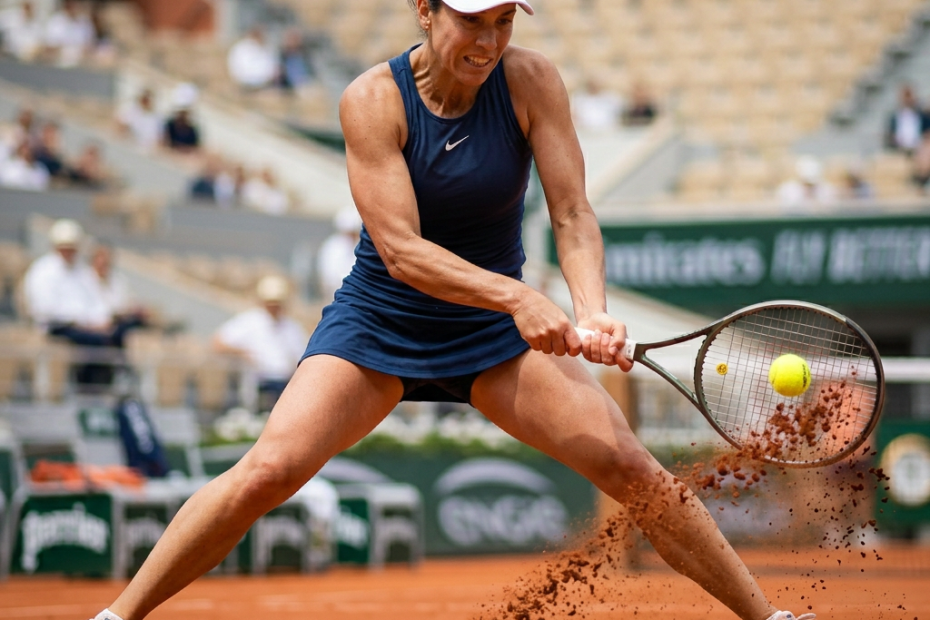
In the world of tennis, few debates are as passionate as the choice between a one-handed and a two-handed backhand. For decades, players have been told to pick a side and stick to it. But as we head into 2026, the modern game is evolving. The truth is, the most versatile players are those who understand that these two techniques don’t have to be mutually exclusive.
The One-Handed Backhand: The Master of Reach and Variety
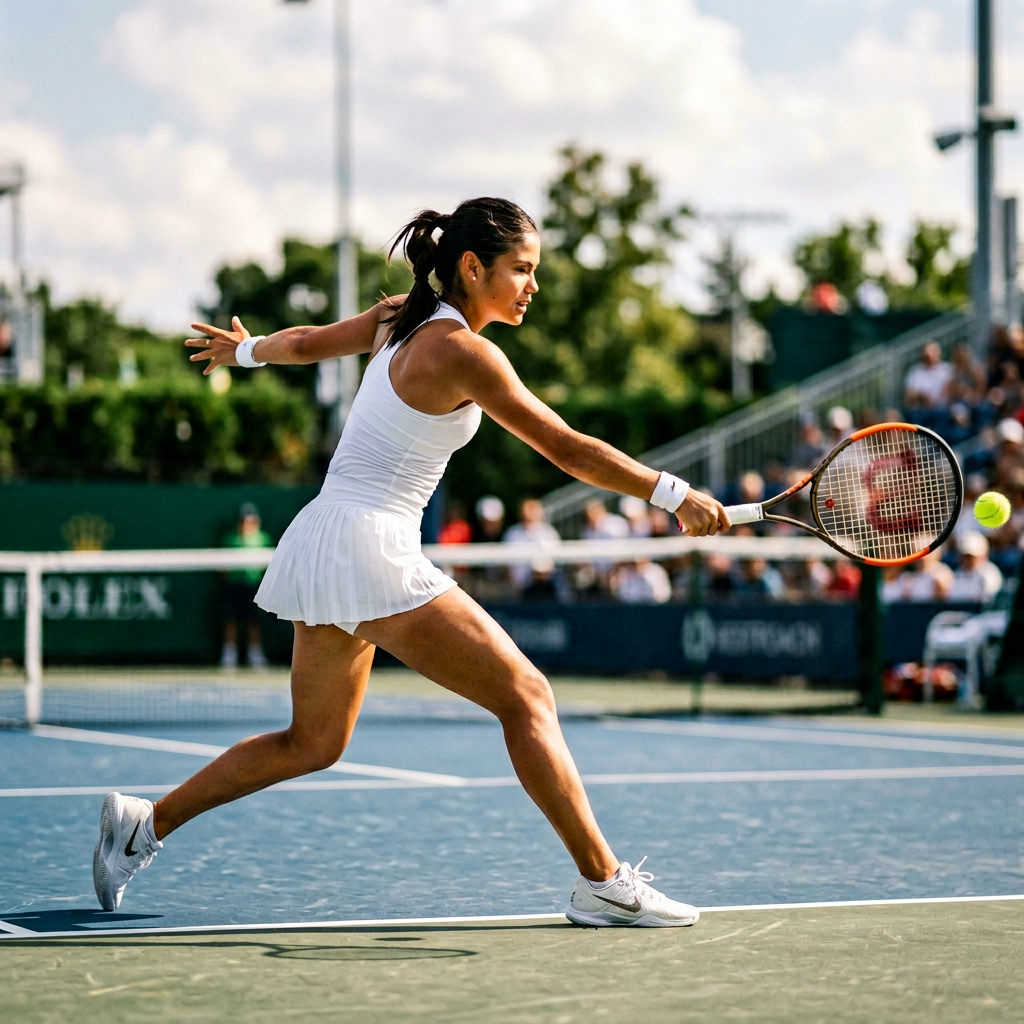
The one-handed backhand is often called the most beautiful shot in tennis. Beyond its aesthetic appeal, it offers several functional advantages:
- Superior Reach: By using only one arm, you can extend further to reach wide balls that would be impossible with two hands.
- Effortless Slicing: The one-handed grip is naturally suited for the backhand slice, a crucial defensive and tactical tool.
- Disguised Flicks: Short, “flicky” shots at the net or in tight spots are much easier to execute with a single hand.
However, the one-hander requires more timing and core strength to handle high-bouncing balls and heavy topspin serves.
The Two-Handed Backhand: Built for Power and Stability
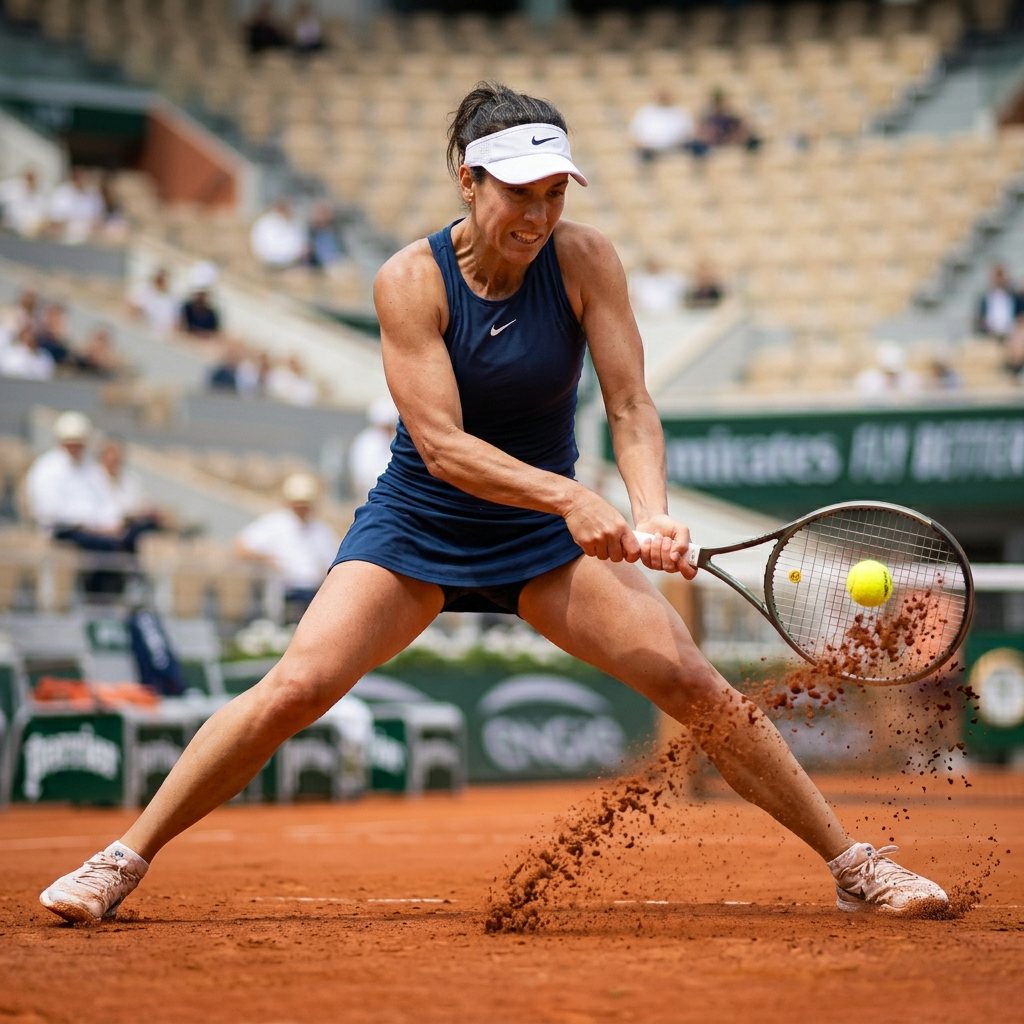
The two-handed backhand is the standard in the modern professional game for a reason. Its stability is unmatched:
- Rock-Solid Stability: Having a second hand on the racket makes it much easier to absorb power from your opponent’s shots.
- High Ball Control: Two hands provide the leverage needed to drive through balls that bounce above shoulder height.
- Powerful Drivers: It’s the ultimate weapon for hitting flat, aggressive drives down the line or cross-court.
The main drawback? A slight limitation in reach and a more complex transition to the net for traditional volleys.
The Hybrid Solution: Why Not Use Both?
Many amateur players feel pressured to choose, but the most effective game plan often involves a hybrid approach. You can build a “dominant” two-handed backhand for your baseline drives and aggressive returns while mastering a one-handed release for specific situations:
- The One-Handed Slice: Essential for changing the rhythm and defending low balls.
- Hard-to-Reach Shots: When pushed wide, releasing the non-dominant hand gives you that extra foot of reach.
- Two-Handed Volleys: Some players even find that a two-handed backhand volley provides better control against heavy hitters at the net.
By learning to transition between one and two hands, you unlock a level of variety that keeps your opponents guessing.
Mastering these transitions requires specialized drills and footwork. If you’re ready to build a more versatile backhand, come join us on the court.