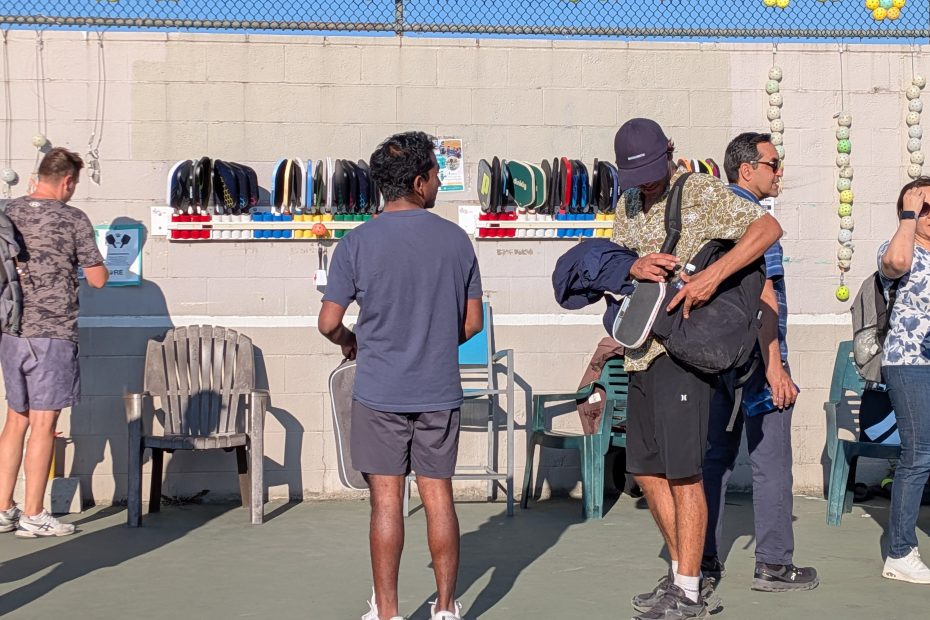
It’s summertime here on the West Coast of Canada and it’s really the outdoor season of pickleball. It free and offers sunshine, but what are the true differences between indoor and outdoor pickleball?
Whether you’re stepping onto a pristine indoor hardwood court or heading to the local park on a sunny Saturday, one thing becomes clear very quickly: indoor and outdoor pickleball are two completely different games.
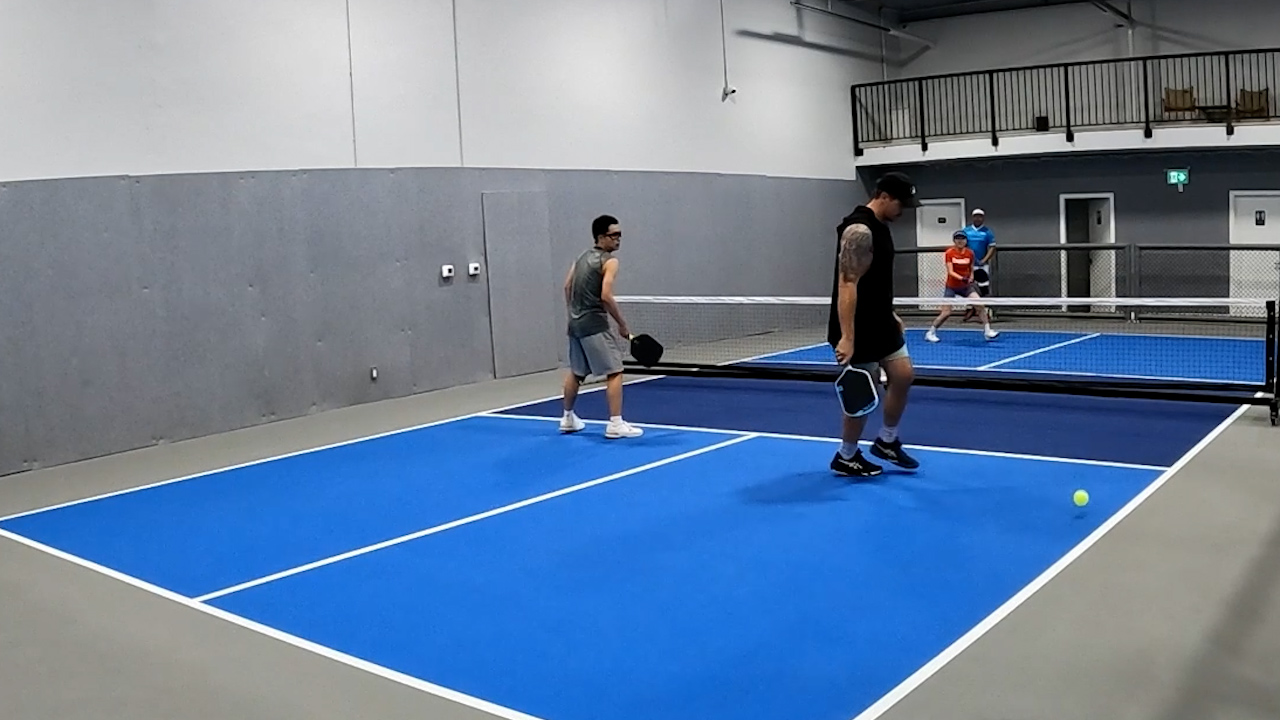
From the way the ball pops off your paddle to how fast you need to react at the kitchen line, switching between environments changes everything. If you’ve ever wondered why your third-shot drop works brilliantly inside but drifts out of bounds outdoors, it’s not just in your head.
Here is the ultimate breakdown of indoor vs. outdoor pickleball—the pros, cons, and key differences every player should know before bringing their A-game to the court.

The Indoor Advantage: Control, Consistency, and Zero Wind
Indoor pickleball is a game of patience, placement, and soft touch. Played primarily on gym floors, smooth concrete, or specialized indoor court surfaces, it strips away the variables so you can focus purely on technique.
The Pros
- Zero Weather Delays: Rain, scorching heat, or a 15 mph crosswind won’t ruin your match. You get predictable playing conditions 365 days a year.
- Longer, Strategic Rallies: Indoor balls feature 26 larger holes made from softer plastic. They fly slower and bounce lower, giving you more reaction time and extending soft-game dink battles.
- Easier on Your Joints: Gym floors offer more forgiveness and shock absorption than outdoor asphalt, making indoor play gentler on your knees, ankles, and lower back.
The Cons
- Slicker Footwork: Wood basketball courts can accumulate dust, leading to slipping if you don’t wear sticky indoor court shoes.
- Visual Clutter: Overlapping court lines (volleyball, basketball, badminton) combined with bright overhead gym lights can sometimes make tracking the ball tricky.
- Booking Hassles: Indoor courts often require paid memberships, reservation fees, or strict open-play time windows.
The Outdoor Thrill: Speed, Power, and Public Park Vibes
Outdoor pickleball is fast, aggressive, and heavily reliant on adaptation. When you step onto a textured asphalt or acrylic court, you’re competing against both your opponent and the elements.
The Pros
- Pure Court Traction: Dedicated outdoor courts feature textured acrylic coatings that provide superior grip for explosive lateral movement and quick directional changes.
- Faster, Power-Heavy Gameplay: Outdoor balls have 40 smaller holes and are made of harder plastic. They cut through the air faster, bounce higher, and reward aggressive drives and overhead smashes.
- Vibrant Social Scene: Most outdoor play happens at public parks with dedicated drop-in queues, making it easy to hop into games and meet local players without booking fees.
The Cons
- Weather Intrusion: Wind can drift your lobs mid-flight, sun glare can blind overhead smashes, and a sudden drizzle instantly shuts down play.
- Increased Body Wear: Concrete and asphalt surfaces accelerate joint fatigue and wear out shoe tread rapidly.
- Cracked Balls in Cold Weather: Harder outdoor plastic gets brittle in lower temperatures, leading to split balls or out-of-round bounces.
- Public Court Waiting – playing public court pickleball often involves putting your paddle in a saddle to wait your turn whether you are solo ,with a partner or a group. This brings a whole new dimension to outdoor public pickleball.
Head-to-Head Comparison: Indoor vs. Outdoor Pickleball
| Feature | Indoor Pickleball | Outdoor Pickleball |
| Ball Characteristics | Softer plastic, 26 large holes (Slower, lower bounce) | Harder plastic, 40 small holes (Faster, higher bounce) |
| Primary Playstyle | Finesse, patience, extended dink rallies | Power, spin, fast-paced hands battles |
| Court Surface | Hardwood, smooth concrete, rubberized gym flooring | Textured acrylic over asphalt or concrete |
| Footwear | Gum-rubber soles / Volleyball court shoes | Durable outdoor tennis or pickleball shoes |
The Verdict: Which One Should You Play?
- Play Indoor if: You value consistent playing conditions, want to save your joints, or love the tactical chess match of a slow, controlled soft game.
- Play Outdoor if: You thrive in fast-paced, high-power rallies, love the open-air community feel, and don’t mind adjusting your game to the wind and sun. You want to pay without paying and don’t mind the wait.
Ultimately, mastering both settings will make you a far more adaptable player. So grab the right ball for the court, adjust your strategy, and enjoy the game!